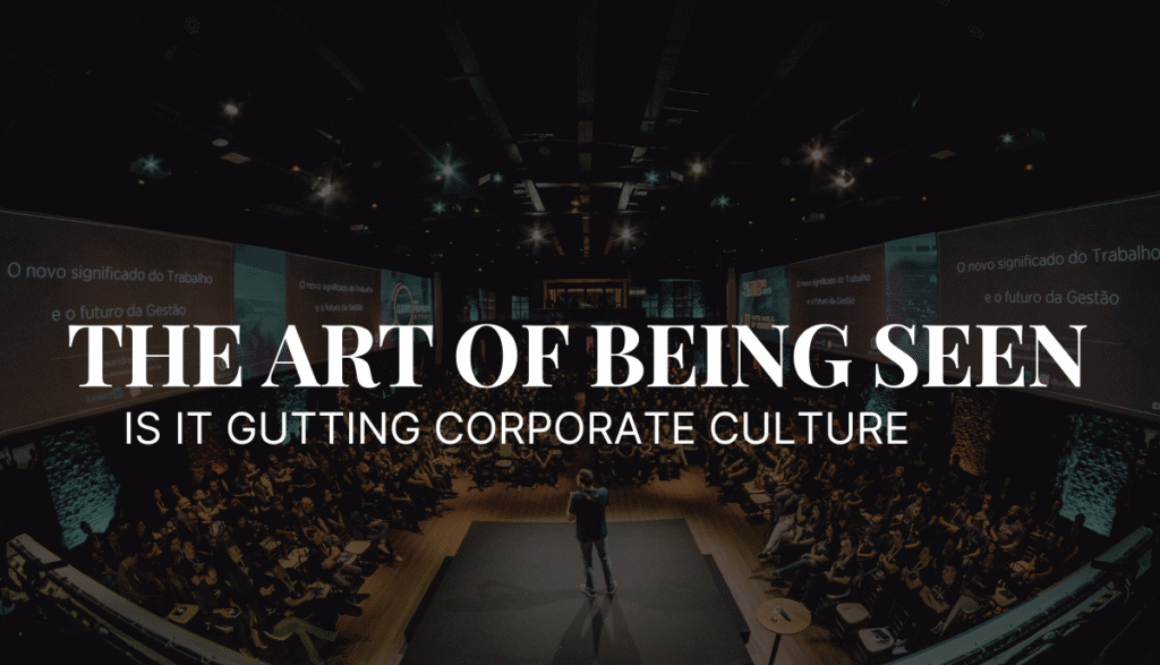
In many workplaces today, success is less about impact and more about image. From vanity metrics to marathon PowerPoint sessions, has modern work traded substance for show?
India illustrates the paradox well. We work some of the longest hours in the world, yet our hourly productivity is among the lowest. According to the ILO, India’s output per hour is $8.47 — compared to $58 in France, where people work fewer hours. Even Vietnam, China, and the Philippines outperform us.
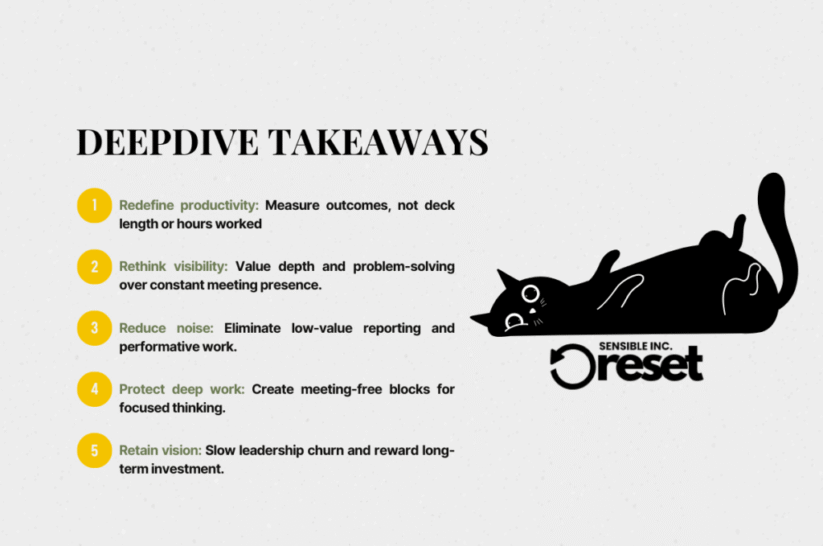
Infrastructure, technology adoption, and regulatory hurdles all play a role. But culture — the unspoken rules of how work gets done — is often overlooked. Increasingly, it rewards visibility over value.
The Productivity Trap: Busy ≠ Effective
A calendar crammed like a Tetris grid can make knowledge workers feel accomplished. Every slot filled, every hour accounted for. But constant scheduling fragments focus and weakens results.
A 2023 Atlassian survey found that 84% of Indian knowledge workers believe fewer meetings would make them more productive. Even more striking, 88% said most meetings simply lead to scheduling more meetings.
Meetings, when purposeful, align teams and clarify priorities. But when excessive, they become a stage for presence rather than progress. Many employees spend hours creating decks that add little value. On Reddit’s r/consulting forum, users report spending 20–70% of their week building PowerPoint presentations; in finance, routine board reports can swell past 60 slides, requiring 40+ hours to prepare.
Ironically, this doesn’t improve connection. Seventy percent of Indian employees say they feel lonely at work despite the endless check-ins.
Distraction by Design
Over the past few decades, the modern workplace has devolved from a sanctum of deep work into a breeding ground of fragmented attention. A 2025 Microsoft study shows employees are disrupted every two minutes by meetings, emails, or pings — and recovery can take up to 30 minutes each time.
This isn’t accidental — it’s systemic. Corporate culture has replaced diligence with responsiveness, where being “always available” is worn as a badge of honour.
WhatsApp pings at odd hours, quick email replies during meetings, Slack activity during downtime — all feed a distorted sense of presence.
We have successfully built a workplace optimized for visible busyness at the expense of quiet thinking, deep focus, and real problem-solving — trading real outcomes for performative urgency.
The Storytelling Epidemic – Data Drenched, Depth Deprived
Most MBA programs teach managers to lead with polish and persuade with a compelling story. The danger is that in building that story, inconvenient truths get left out.
According to Gartner’s Marketing Data & Analytics Survey (2022), one-third of marketing leaders admitted to selectively using data to support pre-decided strategies, undermining the very purpose of analytics.
There is no shortage of data today — and that’s not always a good thing. Oracle’s 2023 India survey found that 90% of professionals say data from too many sources makes decision-making harder. Beyond paralysis, it allows almost any narrative to be constructed — a crisis, a win, or a best-case scenario — depending on what you choose to highlight or ignore.
When narratives are built for applause rather than accuracy, data risks becoming not a tool for clarity, but a prop in the theatre of corporate perception. Which is why, today more than ever, it is critical to build a culture that values failure, embraces authenticity, and de-links surface-level confidence from real capability.
The Churn – Short Tenures, Shorter Vision
No culture can take root when the people shaping it don’t stick around.
CEO tenures are shrinking fast. According to Spencer Stuart’s 2024 CEO Transitions report, the average tenure of outgoing S&P 1500 CEOs dropped to 8.3 years — down from 11.2 just two years earlier. In India, the churn is even sharper: 41 CEOs exited NSE-listed firms in Q1 2025, compared to 23 in the same period the year before.
With leadership in flux, priorities tilt from depth to display. Short tenures incentivize fast optics — quarterly wins, flashy restructures, and digital pilots that look good in decks but rarely scale. Real innovation suffers. A 2023 McKinsey study found that companies with high leadership turnover are twice as likely to underinvest in long-term R&D and 30% less likely to sustain innovation pipelines.
Leadership isn’t about building lasting change anymore. It’s about looking sharp before the exit.
The Cost of Constant Optics
In trying to appear impactful, are corporations losing the ability to truly nurture talent? The more time spent crafting narratives, refining optics, and polishing performance, the less time is left for grappling with complexity, making hard decisions, or building long-term capability.
Over time, organisations inherit leaders and managers who are skilled at being seen — but not at solving.
To rebuild trust and performance, can we reward clarity over charisma? Insight over presence? Action over appearance?